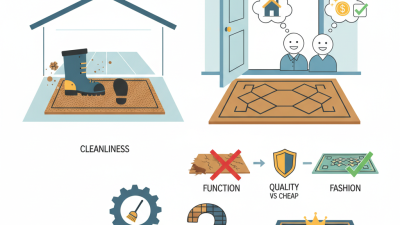
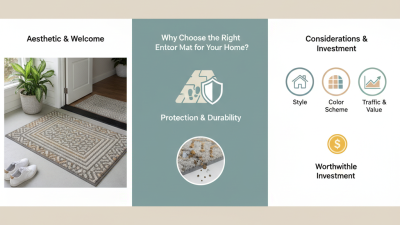
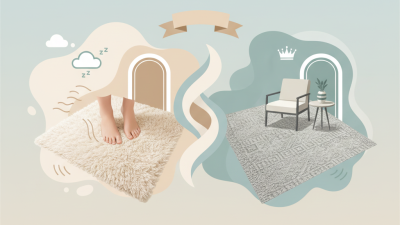
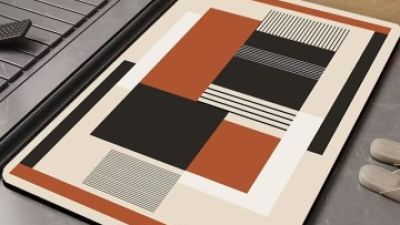
When you're trying to pick out the best Entrance Door Mat for your place, there are a few things to keep in mind. Honestly, John Smith from Home Comforts put it best when he says, "A good mat should trap dirt and moisture but also fit in nicely with your home's style." It really highlights how important it is to find that sweet spot between function and looks.
Choosing the right entrance mat means thinking about its size, what it’s made of, and how it looks. Some mats are seriously good at keeping dirt from making its way inside, while others are more about giving a charming welcome. The key is to pick one that aligns with your lifestyle and the specific needs of your entrance area. A quality mat can last for years, but not every option out there can stand the test of time.
It’s worth doing a bit of research before buying. You might come across mats that look super appealing but end up not being so durable once you’ve had them for a while. Taking a moment to think about what you really need will help you make a smarter choice. Remember, a good entrance mat isn’t just about making your guests feel welcome — it also helps protect your home from dirt and moisture. So, choosing the right one really does make a difference!
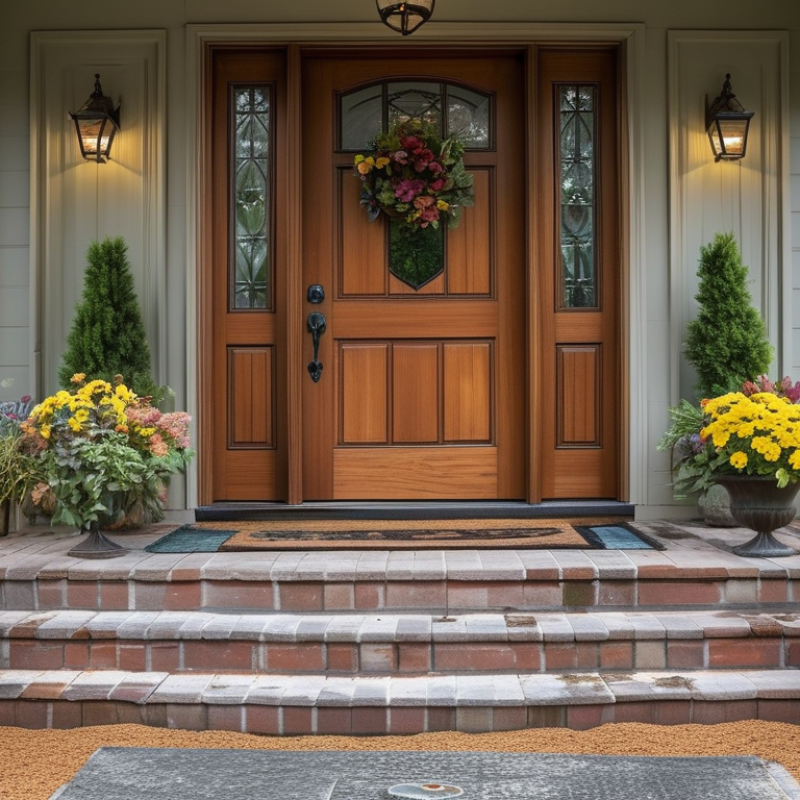
Factors to Consider When Choosing an Entrance Door Mat
Choosing the right Entrance Door Mat involves several key factors. Durability is essential. Mats face heavy foot traffic, so they must withstand wear and tear. Look for materials that resist fading and tearing. Natural fibers and synthetic options can both provide durability, but consider the local climate when selecting.
The size and style of the mat should complement your home's exterior. Measure your doorway carefully to ensure a proper fit. A mat that’s too small can look out of place. Color and design also matter. They should enhance your home's aesthetic while being practical. Dark colors may hide dirt better, while vibrant patterns can reflect your personality.
Don’t overlook maintenance. Some mats require more care than others. Consider ease of cleaning as a critical factor. Some mats can be easily vacuumed or shaken out. Others may need scrubbing or machine washing. Evaluate your lifestyle and how often you’ll clean the mat. Finding a balance between visual appeal and functionality is key. Make sure the mat serves its purpose well while still looking great.
Types of Entrance Door Mats: Material Comparisons and Benefits
Choosing the right Entrance Door Mat involves understanding various materials and their benefits. Mats come in several types, each suited for different environments. Rubber mats are durable and excellent for outdoor use. They resist weather conditions and can trap mud effectively.
On the other hand, coir mats made from coconut fibers are eco-friendly and great for scraping dirt off shoes. They are also aesthetically pleasing, often featuring intricate designs. However, coir mats can become worn quickly, especially in heavy traffic areas.
Consider synthetic materials as well. They are often soft, making them comfortable underfoot. Such mats usually absorb moisture well, but their longevity may not match that of rubber or coir.
Tips: Always measure your doorway before buying. A mat too small will not serve its purpose; one too large may look out of place. Regular maintenance is key. Shake out your mat or vacuum it frequently. Reflect on the location too. An entryway exposed to rain will require a more durable option.
Ultimately, think about your needs. Don’t just choose what looks good. The right Entrance Door Mat should enhance your home's functionality and style.
Size and Dimensions: Finding the Perfect Fit for Your Entryway
Choosing the right entrance door mat hinges on size and dimensions. A mat that's too small will look misplaced, while one that's too large can overwhelm your entryway. Measure the space available, ensuring you account for the door's swing. A good fit enhances aesthetics and functionality.
When selecting your mat, consider the traffic in your home. High-traffic areas may benefit from a larger, more durable mat. Ensure your "Welcome Entrance Mat" is at least 18 inches wide to effectively capture dirt. For a more inviting entry, a mat that extends wider across the entryway can create a welcoming feel. Remember the height; it should sit flush with the floor to avoid tripping hazards.
Here are some tips to keep in mind:
- Try using painter's tape to visualize the dimensions of the mat.
- This simple method can help you imagine how a larger or smaller size would complement your space.
- Test different placements of your mat to find the most appealing arrangement.
- Iterating on your choices is key to finding the perfect fit.
Durability and Maintenance: Lifespan of Common Mat Materials
When selecting an entrance door mat, it's crucial to consider the durability of the materials. Common options include rubber, coir, and synthetic fibers. Rubber mats are often resilient. They withstand heavy foot traffic well. However, they can fade in sunlight. Coir mats are natural and effective at trapping dirt. Yet, they tend to wear out faster in rainy conditions.
Synthetic fiber mats, like those made from polypropylene, boast excellent longevity. They resist water and staining. These mats can hold up against harsh weather. A Large Outdoor Entrance Mat made from synthetic materials may be ideal for high-traffic areas. It combines functionality with style. Maintenance is straightforward. Regular shaking and occasional washing keep them fresh.
Reflecting on your choice might reveal insights. Are you prioritizing eco-friendliness or easy upkeep? These considerations impact the lifespan of your mat. Comfort and attractiveness should also factor into your decision-making. Balancing durability with your aesthetic preferences is a common challenge. Ultimately, each type of mat has its advantages and drawbacks. Choose wisely for lasting results.
How to Choose the Best Entrance Door Mat for Your Home?
This bar chart illustrates the lifespan of common entrance door mat materials. Selecting the right mat can enhance durability and ease of maintenance for your home.
Style and Aesthetic: Matching Your Door Mat with Home Décor
Choosing the right entrance door mat is more than a practical decision. It’s a reflection of your home’s style and aesthetic. The entrance is often the first impression guests have, so the mat should resonate with your overall décor. Consider whether your home leans toward modern simplicity, rustic charm, or classic elegance. Each style has its unique way of inviting guests.
For a contemporary look, opt for geometric patterns or bold colors. These designs can be visually striking and add a lively touch. If your home features a rustic style, look for natural fibers such as jute or coir with earthy colors. These materials complement wooden elements beautifully. Yet, don’t overlook how different textures can clash or harmonize with your entryway. Each choice should support your home's narrative.
Reflect on the functionality of your mat as well. An overly decorative mat may lose its purpose if it disrupts the flow or obstructs the door. Sometimes, the perfect mat might not exist yet. You might need to experiment or even create your own combination of elements. Finding the right balance between style and function can take a bit of trial and error. Your entrance mat can be a small but significant detail in perfecting your home’s aesthetic.
Eco-Friendly Options: Sustainable Materials and Their Advantages
Choosing the right entrance door mat can be overwhelming. Eco-friendly options made from sustainable materials stand out. These materials lessen environmental impact and provide excellent durability. For instance, coir mats, made from coconut husks, absorb moisture effectively. They serve as a natural barrier against dirt.
Bamboo and jute are another great choice. These materials are biodegradable and renewable. Bamboo fibers are strong yet soft, offering a stylish touch. Jute mats are often lighter and easy to maintain. Both options provide a seamless blend of functionality and environmental consciousness. They add aesthetic appeal to your home entrance.
While eco-friendly mats are beneficial, not all options are created equal. Check the source of the materials. Look for certifications to ensure sustainability. A well-chosen Welcome Door Mat not only enhances beauty but also reflects your values. Consider how your choice impacts the planet. Thoughtful selections can lead to a more sustainable lifestyle.
Cost vs. Quality: Budgeting for Your Ideal Entrance Door Mat
When selecting the perfect entrance door mat, balancing cost and quality is essential. High-quality mats may come with a higher price tag, but they often last longer and perform better. Consider the materials used. Natural fibers, like coir or jute, tend to be more durable and effective at trapping dirt. Cheaper synthetic mats may wear out quickly, leaving you replacing them frequently.
Budgeting wisely is crucial. Determine how much you are willing to invest based on your needs and the foot traffic your entrance receives. If your area experiences heavy rain or snow, investing in a quality mat can prevent dirt and moisture from spreading into your home. Less expensive options might seem appealing initially, but consider the cost over time. You might end up spending more on replacements.
While it is tempting to purchase a low-cost mat, think about the long-term benefits of quality. Sometimes, a higher upfront cost can lead to savings later. However, always ensure the mat fits your style and functional needs. A beautiful mat should enhance your home, not detract from it. Reflect on how often you will need to replace cheaper options against the durability of a well-made mat. This careful consideration can lead to wiser choices for your home's entryway.
Enhancing Bathroom Hygiene: The Impact of Quick Dry Diatom Water Absorbing Bath Mats on Mold Prevention and Safety
When it comes to maintaining a clean and healthy bathroom environment, the choice of bath mats can make a significant difference. Quick dry diatom water-absorbing bath mats stand out for their impressive functionality in mold prevention and safety. These mats are specifically designed to absorb moisture rapidly, ensuring that your bathroom floor remains dry and hygienic. Mold thrives in damp conditions, making these mats an essential addition for those looking to diminish mold growth and promote a healthier living space.
Beyond their mold-preventing properties, these diatom bath mats bring an elevated touch of style and comfort to your bathroom. Featuring a soft surface, they provide a pleasant experience for your feet after a refreshing shower. Their modern design seamlessly fits into various bathroom decors, enhancing the overall aesthetic of the space. With a slip-resistant backing, these mats offer safety, reducing the risk of accidents caused by slippery floors. Ease of cleaning and maintenance ensures that they remain a convenient everyday essential, allowing homeowners to focus on what truly matters: a clean and welcoming bathroom space.
FAQS
: Common materials include rubber, coir, synthetic fibers, bamboo, and jute. Each has its benefits.
Rubber mats are durable and weather-resistant. They effectively trap mud and withstand heavy outdoor use.
Coir mats are eco-friendly, excellent for scraping dirt, and have attractive designs. However, they wear out quickly.
Synthetic mats are soft and moisture-absorbent, but may not last as long as rubber or coir mats.
Always measure your doorway. Ensure the mat fits well; otherwise, it may not serve its purpose.
Aesthetics matter because the mat reflects your home’s style. It’s the first impression for guests.
Yes, they reduce environmental impact and are often durable. Look for certified sustainable options.
Regular maintenance helps. Shake or vacuum it often to keep it clean and functional.
Sometimes, the ideal mat doesn’t exist. You may need to experiment or combine different elements.
If a mat is too decorative, it may obstruct the door. A balance of style and use is vital.
Conclusion
When selecting the best entrance door mat for your home, several key factors should be considered. First, examine various types of materials, as each offers unique advantages in terms of durability and maintenance. Natural fibers, rubber, and synthetic materials vary in performance and lifespan, making it essential to choose one that suits your climate and foot traffic. Size also plays a crucial role; a properly fitting mat enhances functionality and complements your entryway.
Additionally, consider the aesthetic aspect, ensuring that your entrance door mat aligns with your home décor. Eco-friendly options are becoming increasingly popular, offering sustainable materials that benefit the environment while providing effective dirt-trapping capabilities. Lastly, balance cost and quality to ensure that you select a mat that fits your budget without compromising its effectiveness. By focusing on these elements, you can find the ideal entrance door mat that meets both your practical needs and design preferences.